


2013-01-18
Telangana Utsav Committee: Final decision on Telangana- Road map and potholes?
Final decision on Telangana unlikely by month-end
J Balaji, The Hindu, New Delhi, January 18, 2013
Will the Centre agree to create a separate state of Telangana or not? This is the question on top of every one’s mind as the January 28 deadline set by Union Home Minister Sushilkumar Shinde approaches.
Indications available here suggest that it would not be a clear yes or no. According to political leaders and officers in the know of things, the Centre is likely to unveil a road map for considering the demand.
Some of the key elements in the contemplated road map include an official committee to suggest measures for earmarking revenue divisions, water sharing and the demand for making Hyderabad the common capital of both Seemandhra and Telangana for some time.
Congress secretary and person in charge of party affairs of Goa P. Sudhakar Reddy, who is from Telangana, was confident that it was a matter of time before the formation of the new state, with Hyderabad being its integral part.
Though Congress president Sonia Gandhi, Prime Minister Manmohan Singh and seniors in the government and the Congress are deeply involved in the discussion on Telangana, they do not want to disturb the current peaceful atmosphere prevailing in Andhra Pradesh by announcing anything concrete like the government did in 2009.
Source: http://www.thehindu.com/news/states/andhra-pradesh/final-decision-on-telangana-unlikely-by-monthend/article4317056.ece

Telangana Utsav Committee: Congress & TRS will be routed if Telangana not formed, says Rahul’s secret survey
Congress will be routed if Telangana not granted, says Rahul Gandhi’s secret survey
By BV Shiva Shankar, TNN, Jan 18, 2013
HYDERABAD: Congress and Telangana Rashtra Samithi (TRS) would be routed in Telangana region in the next elections, if a separate state is not formed, revealed a secret survey conducted at the behest of AICC general secretary Rahul Gandhi.
The survey done by a private agency said the TRS would do better if it is merged with the Congress in a separate Telangana state, and the report said the two parties with the combined strength were likely to bag 12 to 14 Lok Sabha seats, and 70 t0 80 Assembly seats in the region. Telangana region has a total of 17 Lok Sabha constituencies, and 119 assembly segments.
Highly placed sources in the party said the senior leader from AP Congress engaged the private agency to do the survey and submitted the report to Rahul Gandhi a couple of days ago ahead of the Jaipur AICC session. The centre is committed to take a decision on Telangana issue before January 28.
“The Congress high command has taken Telangana issue seriously considering its political implications, especially after the self-imposed deadline is fixed. Rahul wanted us to give him authentic inputs for his personal consumption. We hired a private agency to do the survey, and we gave the report to Rahul on January 14,” said a Congress MP from Telangana, who is close to Rahul Gandhi.
As a two-day brain storm session started on Friday in Jaipur as a prelude to the AICC session slated for January 20, the state Congress leaders expect the Telangana issue to figure in the deliberations on Saturday.
“So far the deliberations were on the issues such as economic reforms, and the schemes like direct cash transfer. Telangana issue may come up on Saturday in a separate committee meeting on Saturday,” labour minister Danam Nagender told TOI from the venue of the session in Jaipur.
The survey report throws up some politically significant aspects such as no political party including the Congress and the TRS would singly benefit from the formation of Telangana state. And these two parties would face a win-win situation in case the Centre grants statehood for Telangana before 2014 elections. The report warns the Congress that it would be routed out in the region if no decision is taken on Telangana. And interestingly, it says even TRS would take a hit in case Telangana state is not formed, and the party’s representation in the state Assembly would reduced to a single digit. Now, the TRS has 17 MLAs, and two Lok Sabha MPs.
“The outcome of the survey is clear that the Congress must take a proactive step in dealing with Telangana issue, and the party must join hands with the TRS if it wants to take benefit of the formation of Telangana state. And it is inevitable for the TRS to go for the merger with the Congress,” said the Congress MP.
In a measured response to the query relating to the survey report, the TRS leaders said their party is open for all the options that ensure the formation of Telangana state.
“In October last year, when the Congress leaders invited us to discuss Telangana, the issue of merger had come up. But, they retracted after a point of time during the discussion in Delhi. Now, they are saying their survey suggest them the merger. We don’t want to say anything at this juncture. Our course of action depends on the political situation going to be emerged,” B Vinod Kumar, a politburo member of TRS.
The survey report said the Telugu Desam Party (TDP) would gain some grounds in the region thanks to its pro- Telangana stand expressed in the all-party meeting held on December 28 2012.
But, the report has sounded a death knell for the Telangana Congress minister and legislators, who took neutral stand on the state division issue, as it predicted they would be severely punished by the voters in the next elections in either way if Telangana state is formed or not.
The reports said there would be little change for the pro-Telangana parties like BJP, and CPI as they can hardly improve their tally even if the Telangana is granted. However, the report said, the YSR Congress was expected to grow stronger thanks to the joining of defectors from the other parties including Congress, TDP, and TRS.
Source: http://timesofindia.indiatimes.com/india/Congress-will-be-routed-if-Telangana-not-granted-says-Rahul-Gandhis-secret-survey/articleshow/18077567.cms

2013-01-17
ఇన్స్పిరేషనల్ మ్యూసింగ్స్: How safe are we?
ఇన్స్పిరేషనల్ మ్యూసింగ్స్: How to make a woman happy?
2013-01-16
ఇన్స్పిరేషనల్ మ్యూసింగ్స్: లేఖానంద లహరి
ఇన్స్పిరేషనల్ మ్యూసింగ్స్: LET'S PIN DOWN dyslexia
ఇన్స్పిరేషనల్ మ్యూసింగ్స్: కాలజ్ఞాన ప్రాప్తిరస్తు!
ఇన్స్పిరేషనల్ మ్యూసింగ్స్: Rethinking the 4 P's
2013-01-12
పెద్దలు చెప్పిన మంచి మాటలు: on Intutive Knowledge by Swami Vivekananda
2013-01-11
ఇన్స్పిరేషనల్ మ్యూసింగ్స్: వంశవృక్షం
ఇన్స్పిరేషనల్ మ్యూసింగ్స్: Focus on the three ‘H’s
ఇన్స్పిరేషనల్ మ్యూసింగ్స్: INDIAN
ఇన్స్పిరేషనల్ మ్యూసింగ్స్: 7 Rules of life
2013-01-10
పెద్దలు చెప్పిన మంచి మాటలు: రస దృష్టి
2013-01-09
ఇన్స్పిరేషనల్ మ్యూసింగ్స్: Age & Maturity
ఇన్స్పిరేషనల్ మ్యూసింగ్స్: దృష్టికి దివ్యత్వం
ఇన్స్పిరేషనల్ మ్యూసింగ్స్: Children
ఇన్స్పిరేషనల్ మ్యూసింగ్స్: Thoughts of life
ఇన్స్పిరేషనల్ మ్యూసింగ్స్: జల తరంగిణి
ఇన్స్పిరేషనల్ మ్యూసింగ్స్: Memory
ఇన్స్పిరేషనల్ మ్యూసింగ్స్: జీవన సంజీవని
2013-01-07
పెద్దలు చెప్పిన మంచి మాటలు: జడ భరత ఆఖ్యానము - Jada Bharata's Teaching
2012-12-28
America Vaarthalu: టాకో ఆధ్వర్యంలో ముగ్గులు, పతంగుల పోటీలు
2012-12-27
నీలాంబరి: సంగీత సాహిత్య సమలంకృతే -I
భారతీయ సంగీతంలో రాగానికీ, భావానికీ, లయకూ సమానమైన ప్రాధాన్యత వుంది. అందమైన భావాన్ని పలికించి నిలబెట్టటానికి రాగమూ, లయా కలిసి పనిచేస్తాయి. ఈ సూత్రానికి సినిమా సంగీతమూ మినహాయింపు కాదు. ఎంత అద్భుతమైన భావమైనా, శ్రావయమైన సంగీతం లేకపోతే చెవులకి వినిపించదు. ఎంత అత్యాధునికమైన సంగీతంతో హోరెత్తించినా అందమైన భావనలేకపోతే మనసుకి హత్తుకోదు.
మరీ ముఖ్యంగా, సంగీతమే ప్రధానమైన అంశం గా వుండే సినిమాల్లో పాటలు మామూలు పాటాలకంటే మంచి స్థాయిలో వుంటాయని ఆశిస్తాం. తెలుగులో ఇలాటి సంగీత ప్రధానమైన సినిమాలెన్నో వొచ్చాయి, మంచి పాటలనందించాయి కూడా.
చాలా పాతవాటి సంగతేమో కానీ, ఎనభైల్లో వచ్చిన రుద్రవీణ (1988) సినిమాలోని పాటలు అన్ని విధాలా గొప్ప స్థాయిలో వున్నాయనిపిస్తుంది. నాకైతే ఈ సినిమాలో ముగ్గురు హీరోలని ఒక భావన. తెర మీద కనిపించేది చిరంజీవి అయితే, సీతారామ శాస్త్రీ, ఇళయరాజా తెర వెనక హీరోలు.
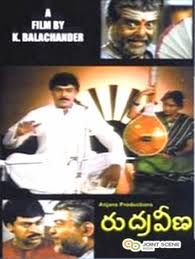
సినిమా కథకున్న రెండు పార్శ్వాలూ (సంఘ సంస్కరణా, శాస్త్రీయ సంగీతమూ), నటీ నటుల నటనా, మనసుని తట్టి లేపే డైలాగులూ అన్నీ కలిపి సినిమాని చిరంజీవి కున్న గొప్ప సినిమాల్లో ఒకటిగా నిలబెట్టాయి. అయితే ఈ సినిమాలో సంగీతం గురించి మాట్లాడుకోవటానికే చాలా వుంది. కేవలం పాటాలూ, నేపథ్య సంగీతం కొరకే ఈ సినిమా నేను లెక్క లేనన్ని సార్లు (ఈ మధ్యనే మళ్ళీ ఇంకొక సారి) చూసాను. తరచి చూస్తే ఇందులో మూడు పొరలు కనపడతాయి.
——————————————
అ) తేలికగా వున్నా, లోతైన సాహిత్యంతో కూడిన పాటలు, “చుట్టు పక్కల చూడరా చిన్నవాడా”, “తరలి రాద తనే వసంతం“, “నమ్మకు నమ్మకు ఈ రేయినీ,”"రండి రండీ, దయ చేయండీ,” పాటలు.
ఆ) రెండో పొరలో సందర్భానుసారంగా వచ్చే చిన్న చిన్న బిట్స్, “తులసీదళములచే“, “అలకలల్లల్లాడగ“, నాద స్వరంలో “ఖరహరప్రియ“, “సహాన“, ఆఖర్న బిళహరి రాగంలో “పరిదానమిచ్చితే” మొదలైనవి.
ఇ) అన్నిటికంటే సంగీత పరంగా సోఫిస్టికేటేడ్ గా వినిపించేవి, పూర్ణ చంద్రిక రాగంలో “మానవ సేవ ద్రోహమా“, లలిత రాగంలో “లలిత ప్రియ కమలం విరిసినదీ“, బిళహరి రాగంలో “నీతోనే ఆగేనా సంగీతం“ పాటలు.
———————————————————————
“ఏదీ సొంతం కోసం కాదను సందేశం” ముఖ్య ఉద్దేశ్యమైన కథలో, మొదటి పాటే కథానాయకుని పాత్రలో కీలకమైన మలుపు తెస్తుంది.
“స్వర్గాలను గెలిచెయ్యాలని,
వడిగా గుడి మెట్లెక్కేవు,
సాటి మనిషి వేదన చూసి
జాలి లేని శిలవైనావు,” అని వీపున చరచి అతన్ని అంతర్ముఖున్ని చేస్తుంది.
ఆ తరవాత వచ్చే “తరలి రాద తనే వసంతం“ సంగీత పరంగా, సాహిత్య పరంగానూ మామూలుగానే వున్నా, కథానాయకుని స్వగతం లా అనిపిస్తుంది.
“ఇది తెలియని మనుగడ కథ, దిశ ఎరుగని పయనము కద,” అని కథకూ, తన వ్యక్తిత్వానికీ దిశా నిర్దేశనం చేసుకుంటున్నాడా, అనిపిస్తుంది. “హంసధ్వని” లాటి బరువైన రాగంలో తేలికగా వొదిగిపోయిందీ పాట.
“నమ్మకు నమ్మకు ఈరేయినీ“ పాటకి కూడా పెంటాటొనిక్ హిందోళాన్నే వాడారు ఇళయరాజా, బహుశా ఈస్తటిక్ ప్లెజర్ కోసమేమో.
“వెన్నెలలోనీ మసకలలోనే మసలును లోకం అనుకోకు,
రవి కిరణం పడితేనే తెలియును తేడాలన్నీ,”
“పుడమిని చూడని కన్నూ నడపదు ముందుకు నిన్నూ” అనే లైన్లు చాలా లోతుగా అనిపిస్తాయి.
ఏవో అందమైన ఆభరణాలు ధరించి రాజ ప్రసాదంలో గంభీరంగా కూర్చున్న గొప్పింటి స్త్రీలా అనిపించే శాస్త్రీయ సంగీతాన్ని, మామూలు అమ్మాయిలా చిన్న బొట్టు పెట్టి, జడ అల్లి అందరి మధ్యలో కూర్చోబెట్టినట్టు అనిపిస్తుంది, “రండి రండి రండీ, దయ చేయండీ,” పాట వింటుంటే. ఎవరి అందం వారిదే కదా?
“మాకు నిలయ విద్వాంసులు చిలక రాజు గారు,
కీరవాణి వీరి పేరు, పలుకు తేనెలూరు“ అన్న మాటల్ని కీరవాణి రాగంలో,
“తక్కిన నా గృహమంతా గాన కళకు దర్బారూ“ అన్న వాక్యాన్ని దర్బారు లోనూ,
“శునకమైన పలుకు కనకాంగి రాగాన,” అన్న వాక్యాన్ని కనకాంగిలోనూ విన్నప్పుడు, శాస్త్రీ, రాజా ఇద్దరూ సమ ఉజ్జీలే అనిపించింది. పప్పన్నం లో అప్పడాలు నంచుకున్నట్టు స్వరాక్షరాలూ, శ్లేషలూ సరే సరి.
“మాటలనే సంగతులు చేయటం, సంగతులనే సద్గతులనుకొనటం,
సరిగా, సరిగా, సరి సరి సరిగా తెలుసుకొన్నాను ఈనాడు.”
“కళ్ళ ముందు కటిక నిజం,
కానలేని గుడ్డి జపం,” అన్న ఎద్దేవాతో మొదలైన కథానాయకుని ప్రస్థానం,
“నిలువునా నన్ను కమ్ముకున్నాయి,
శాంతితో నిలవ నీయకున్నాయి,
ఈ చీకటి తొలగించాలి, ఈ అపశృతి సవరించాలి,
జన గీతిని వద్దనుకుంటూ, నాకు నేనె పెద్దనుకుంటూ
కలలో జీవించను నేను, కలవరింత కోరను నేను,” అన్న తెగింపుతో
ఒక నిర్ణయానికొస్తుంది! (చెప్పాలని వుంది, గొంతు విప్పాలని వుంది). ఆ పాట క్లైమాక్స్ లో కేవలం మృదంగ ధ్వని తోనే అంత టెన్షనూ, ఆవేదనా పలికించొచ్చని మొదటిసారి తెలిసింది.
(సశేషం)

2012-12-26
ఇన్స్పిరేషనల్ మ్యూసింగ్స్: Pass the butter please...
ఇన్స్పిరేషనల్ మ్యూసింగ్స్: Focus...
ఇన్స్పిరేషనల్ మ్యూసింగ్స్: GRape in Delhi..
2012-12-19
ఇన్స్పిరేషనల్ మ్యూసింగ్స్: Don't judge people....
2012-12-18
ఇన్స్పిరేషనల్ మ్యూసింగ్స్: Let go.....
ఇన్స్పిరేషనల్ మ్యూసింగ్స్: ప్రేమ యాత్ర
ఇన్స్పిరేషనల్ మ్యూసింగ్స్: What- to use/ to love...
ఇన్స్పిరేషనల్ మ్యూసింగ్స్: వైవిధ్య మోహనం
2012-12-14
నీలాంబరి: వికటించిన హాస్యం
హాస్యం చాలా సున్నితంగా వుండాలన్న విషయం అందరికీ తెలిసిందే. మాటలతో నైనా, చేతలతోనైనా ఎవరినైనా వుడికిస్తే, ఆ తర్వాత ఆ సంగతి ఎప్పుడు తలచుకున్నా నవ్వు రావాలి. “అతి సర్వత్ర వర్జయేత్” అన్న సూక్తి హాస్యానికి వర్తించినంతగా ఎక్కడా వర్తించదేమో.
ఈ మధ్య నే జరిగిన నర్సు జసింతా సల్దానా విషాద ఉదంతం వింటే ఇదే అర్ధమవుతుంది. ప్రపంచమంతటా మీడియా చేసే అతి వికృత రూపాలు దాలుస్తుందేమో అన్న అనుమానం రాక మానదు ఈ ఉదంతాన్ని పరిశీలిస్తే. ఇంతకీ జరిగిందేమీటంటే-
అసలే ఆస్ట్రేలియన్లకి రాణి గారన్నా, ఆవిడ పరివారమన్నా మహా మోజు. ఇంగ్లండులో కూడా Queen’s birthday అనే సెలవుండదు, కానీ ఆస్ట్రేలియాలో మాత్రం వుంటుంది. అలాటిది ఇహ ఏకంగా రాణీ గారి మనవరాలి వేవిళ్ళ సంగతి గురించి అడగాలా. అబ్బో, హంగామా, వార్తలూ, వ్యాఖ్యలూ, పులకరించిపోవడాలూ, చెప్పలేని ఓవరాక్షనూ! అసలే మీడియా, దానికి తోరుగు రాచరికపు గర్భం. ఇహ చూడండి, ఆస్ట్రేలియాలో మీడియా రెచ్చిపోయింది. “డచెస్ఆఫ్ కేంబ్రిడ్ద్జీ”, మరియూ ప్రిన్స్ విలియం ముద్దుల భార్యా అయిన కేట్ వచ్చే తొమ్మిది నెలల్లో వేసుకోబోయే గౌన్ల దగ్గర్నించి, ఆవిడ మంచి తల్లి కాగలదా అనే విషయం వరకూ పేపర్లు హోరెత్తిస్తున్నాయి. మేమూ ఏం తక్కువ లేదనుకుంటూ రేడియో కూడా రంగంలోకి దిగింది.
ఈ నెల మూడో తారీఖున యువరాణి కేట్ కింగ్ ఎడ్వర్డ్ హాస్పిటల్ లో డీహైడ్రేషన్ తో చేరారు. మర్నాడు ఆస్టేరియో అనే మీడియా సంస్థ అధీనంలో వుండి, సిడ్నీనించిప్రసారమయ్యే టుడే ఏఫ్ ఏం (2DayFM) అనేరేడియో చానెల్లో వచ్చే బ్రేక్ ఫాస్ట్ షో జాకీలు మెల్ గ్రెగ్, మైకెల్ క్రిస్టియన్ ఆస్పత్రి కి ఫోన్ చేసారు. రేడియోజాకీలుమామూలుమనుషులనిటెలిఫోనులోపిలిచిరకరకాలుగాఏడ్పించడంఎప్పణ్ణించోవున్నదే. ఇదీఅలాటిఅల్లరిఫోన్కాలే. అన్నట్టుమెల్గ్రెగ్దిమావూరే, అడిలైడ్!
వీలైనంతగా ఇంగ్లీషువారి యాస ననుకరిస్తూ అస్పత్రిలో ఫోనెత్తిన నర్సు జసింతాతో, క్వీన్ ఎలిజబెత్ నిమెల్గ్రెగ్, అటుపిమ్మట ప్రిన్స్ చార్లెస్ నిమైకెలూ అనుకరిస్తూ యువరాణీ గారి ఆరోగ్యం గురించి వాకబు చేసారు. పాపం ఆ అమాయకురాలు వారి ఫోన్ ని ఆస్పత్రిలోని వార్డులొకి ఇచ్చింది. అక్కడ నర్సు ఇంకా అమాయకంగా ఫోన్లో అమ్మాయిగారి పరిస్థితి పూస గుచ్చినట్టు చెప్పింది.
ఇద్దరూపొట్ట చెక్కలయ్యేలా నవ్వుతూ, సంభాషణంతారికార్డు చేసి ప్రసారం చేసే ముందు పై అధికారులకి పంపారు. అప్పటివరకూ ఇది రేడియో జాకీలు చేసే మామూలు అల్లరే, కొంచెంశృతి మించినట్టుగా అనిపించింది.
కానీ, ఆసంభాషణని ప్రసారం చేసే ముందు ఇంగ్లండులోని కింగ్ ఎడ్వర్డు ఆస్పత్రి అనుమతీ, రాణీగారిపరివారం అనుమతీ ఏదీ తీసుకోకుండా, ప్రోటోకాల్స్అన్నీ బేఖాతరు చేసి రేడియో ఈ సంభాషణని ప్రసారం చేసింది. ఆతర్వాత రెండు రోజులకి నర్సు జసింతా సల్దానాహాస్పిటల్స్టాఫ్ గదిలో చచ్చిపోయి పడి వుంది. ఇద్దరుపిల్లలతల్లిఆత్మహత్యచేసుకుంది. వెంటనేఇద్దరు జాకీల షోను రద్దు చేయటమూ, వాళ్ళఉద్యోగాలు ఊడటమూ, 2DayFM సొంతదారు ఆస్టేరియో కీ ఆస్పత్రికీ మధ్య మాటల యుధ్ధాలూ, దుమ్మెత్తిపోసుకోవటాలూ, సందట్లోసడేమియా అని సోషల్ నెట్ వర్క్ గ్రూపులు జాకీల మీద కారాలూ మిరియాలూ నూరడాలూ, అన్నీమామూలే. బకింగ్హాంపాలెస్నించిదీనిగురించిఇంతవరకూఎటువంటివ్యాఖ్యానమూ, వివరణారాలేదు.
అసలుఈ విషాదం లో తప్పెవరిది? బాధితులెవరు? అంటేఏమో అర్ధం కావడం లేదు. ఇప్పుడుఆ రేడియో జాకీలని” సంస్కారంతెలియని హీనులు“, “రక్తంతో మీ చేతులు తడిసాయి,” అనితిడుతున్న వాళ్ళే , ఇంకొకరోజు అంతకంటే చెత్త ప్రాక్టికల్ జోకుకి పడీ పడీ నవ్వుతూ రేటింగులు పెంచేస్తారు. ఆరేటింగుల కోసం మళ్ళీ, మళ్ళీతమ హద్దులు మర్చిపోతారు రేడియో జాకీలు. ఇదేసంస్థ వారిఇంకొకరేడియోజాకీకైల్ సాండిలాండ్స్ ఇలాటి వివాదాలకు పెట్టింది పేరు. పదహారేళ్ళఅమ్మాయిని అసభ్యమైన ప్రశ్నలు వేసి వేధించాడని అతని మీద వేటు పడింది.
చిన్నపిల్లలముద్దు మాటలూ, అల్లరిచేష్టలూ చూసి మనం నవ్వినప్పుడు వాళ్ళు అవి ఇంకా ఎక్కువ చేస్తారు. అదిఎక్కడ ఆపాలో వాళ్ళకి అర్ధం కాదు, తెలియదూ! ఎక్కడోఒక దగ్గర పెద్దలకి కోపం రాగానే మొహం చిన్న బుచ్చుకుంటారు. మీడియాఆంకర్లదీ అదే తంతేమో. హాస్యానికీ, అసభ్యతకీమధ్య వున్న సన్నని గీత ప్రేక్షకుల హర్ష ధ్వానాల మధ్య వాళ్ళకి కనబడదు. హద్దుదాటింతర్వాతగానీతెలియదు. అప్పటికేజరగాల్సినహానిజరిగిపోతుంది.
తప్పెవరిదైనా, మూడుజీవితాలు అన్యాయంగా పాడైపోయాయి. నిన్నరాత్రి మెల్, మైకెల్ఇద్దరూ కన్నీళ్ళతో, ఇలాజరుగుతుందని మేమేమాత్రమూఊహించలేదని చెప్పారు.
“అసలుమమ్మల్నెవ్వరూ నమ్మరు, ఎవరోఫోన్ పెట్టేస్తారనుకున్నాము కానీ, ఇంతవరకూవొస్తుందనుకోలేదు,” అన్నారిద్దరూ. ఏదిఏమైనాప్రపంచమంతటామీడియా, సామాన్యప్రజలజీవితిల్లోకిఎంతవరకుచొచ్చుకొనిరావటంమంచిదిఅన్నవిషయంమీదసరైనఅవగాహనా. కొంచెంస్వయంనియంత్రణాఅలవర్చుకోకతప్పదు.

2012-09-21
మా తెలుగు తల్లికి మల్లెపూదండ: Life is Beautiful - II
మా తెలుగు తల్లికి మల్లెపూదండ: Life is Beautiful
మా తెలుగు తల్లికి మల్లెపూదండ: అమ్మా అని కొత్తగా మళ్ళీ పిలవాలని
2012-07-09
శ్రీ శ్రీ కవితలు: వెలుతురు కిరణాలు ( వీరరసం )
2012-06-13
America Vaarthalu: జూన్ 23న TEAM ఆధ్వర్యంలో 'లేడీస్ నైట్'
2012-06-12
America Vaarthalu: జూన్ 15న డిటిఎ ఆధ్వర్యంలో సంగీత విభావరి
America Vaarthalu: జూన్ 16న టిడిఎఫ్-డెట్రాయిట్ వనభోజనాలు
2012-05-25
శ్రీ శ్రీ కవితలు: ఓ మహాత్మా ఓ మహర్షీ
2012-05-23
World 4 You: Mountain Climbers
2012-04-17
World 4 You: What Women Want ?
2012-02-22
తెలుగు మాట...తేనె ఊట TELUGU...a language sweeter than honey: Three Telugu fonts for Internet released
2012-02-11
పరిపూర్ణ మహిళ: అరమరికలు వీడితేనే అన్యోన్య దాంపత్యం
2012-01-16
పట్టాభిరామాయణం-Pattabhiramayanam: అభిమానం ముదిరితే అనుమానమే
2011-12-30
పరిపూర్ణ మహిళ: వీడ్కోలు 2011-వార్తా వనితలు
2011-10-02
తెలుగు మాట...తేనె ఊట TELUGU...a language sweeter than honey: Challenges of making Telugu language internet-friendly
తెలుగు మాట...తేనె ఊట TELUGU...a language sweeter than honey: First International Telugu meet begins
2011-08-15
శ్రీ శ్రీ కవితలు: ఫిడేల్ కోసం పాట